Vinyl or Fiberglass Windows for Austin Summers
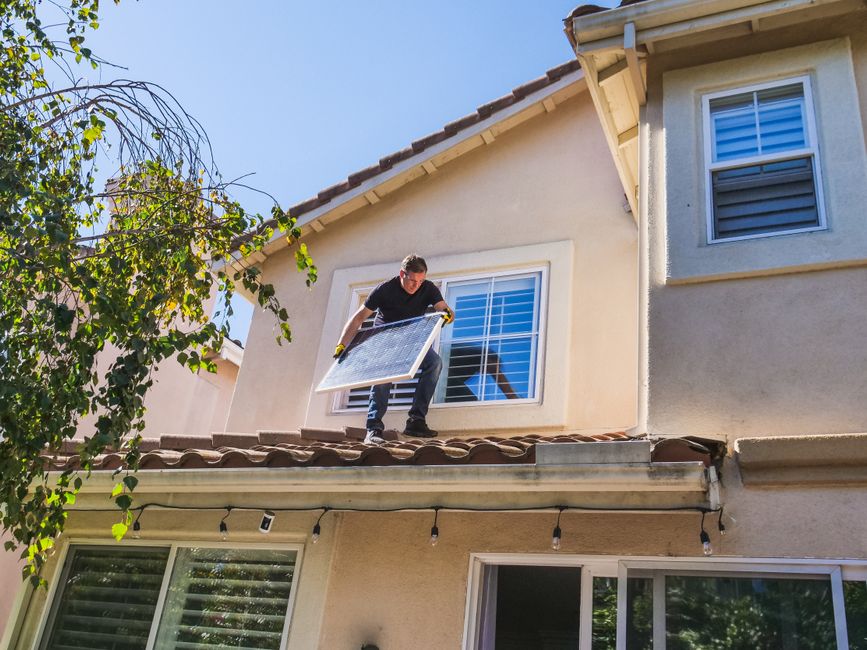
On a west wall in Austin, TX, where the afternoon sun sits on the frame for hours, the frame material matters as much as the glass, and the notes at austin window replacement fretboard summit start from that wall when a window replacement is being planned. Summers here run long and hot, and a frame spends months expanding in the day and settling at night.
How vinyl moves in the heat
A vinyl window is extruded plastic with hollow chambers, and plastic grows and shrinks more than most framing materials. In a long Austin summer a dark vinyl frame on a sunny elevation can open a hairline at the corner welds or pull a sash slightly out of true. White and light tan frames hold up better because they absorb less heat.
Why fiberglass stays steadier
Fiberglass pultrusion expands and contracts at close to the same rate as the glass inside it. That keeps the glazing seal from being pried at the edges year after year. A fiberglass window also takes paint, so a color can be changed later, and the frame does not chalk the way an old vinyl one can.
Fade, chalking and surface wear
Ultraviolet light is relentless on Congress Avenue and on every street around it. Cheap vinyl turns chalky and yellows near the sill, while better extrusions carry a stabilizer that slows the change.
What the glass package has to do
Frame material is only half the argument. In this climate the glass package decides how much solar heat gets through, so look for a low e coating tuned for solar control, a low shgc number, and a warm edge spacer instead of bare aluminum. Insulated glass with argon fill helps, and a double pane unit is the usual choice here because winters are mild and a freeze arrives only about every second year.
Where each material fits
For a tract house east of Interstate 35, a light colored vinyl window is a practical fit and replaces the original frame cleanly. For a home with large picture window openings facing the afternoon sun, or one up on the limestone hills toward Lake Travis, fiberglass is worth a closer look because wide spans flex more.
Seal failure is the real test
Whichever frame is chosen, the failure that shows first is a foggy pane. Seal failure comes from stress at the glass edge, and a frame that moves a lot in summer stresses that edge every day. Checking the u factor and shgc on the label, asking how the corners are joined, and confirming the installer shims and foams the opening correctly will do more for the next fifteen summers than the color on the swatch.