Wood and Clad Wood Windows Near the Lakes
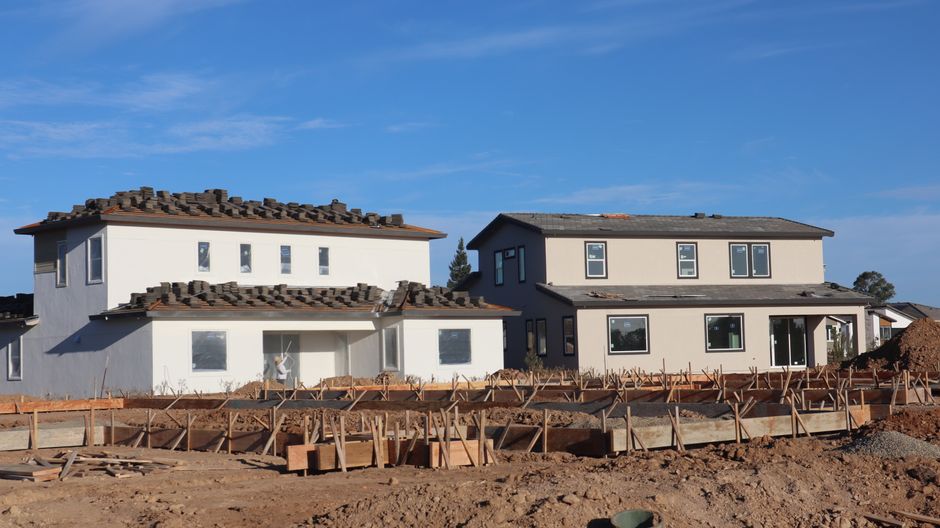
Halfway through pulling the old wood sash, the bottom rail crumbles in the hand, and sill rot is what sends most owners near the water to look at a clad option, as the notes at austin window replacement fretboard summit describe. A window replacement on a lake house in Austin, TX raises a question the inland neighborhoods rarely face: how much moisture will the frame see?
Why lake houses rot windows
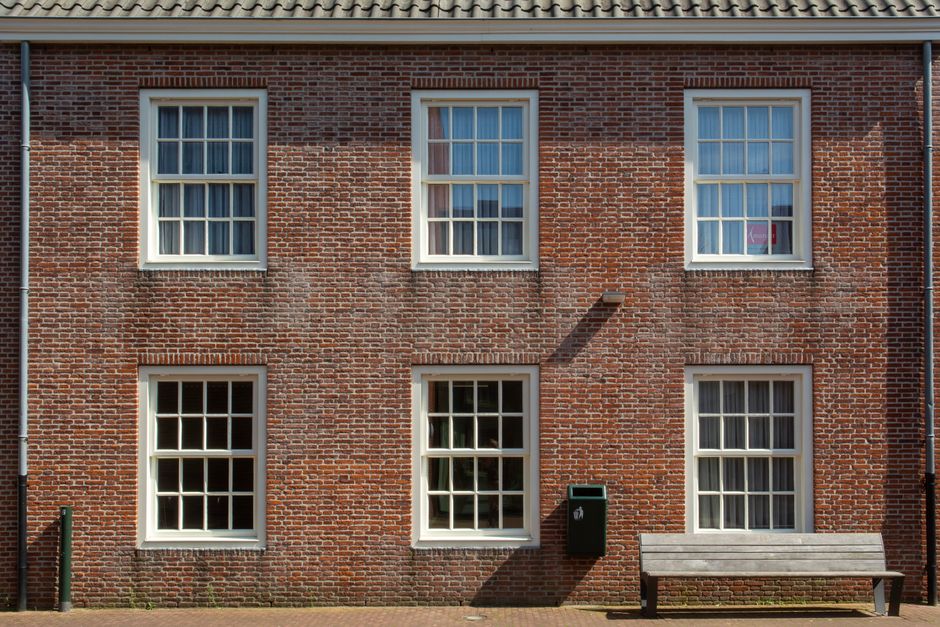
Homes along Lake Austin and Lake Travis, and those near Barton Springs and the Colorado River bottoms, sit in humid air and shade from old trees. Morning dew stays on the sill late. Water that gets behind the frame has nowhere to dry, so the bottom of a wood window is the first thing to go, usually at the corners where end grain is exposed.
Wood windows, honestly
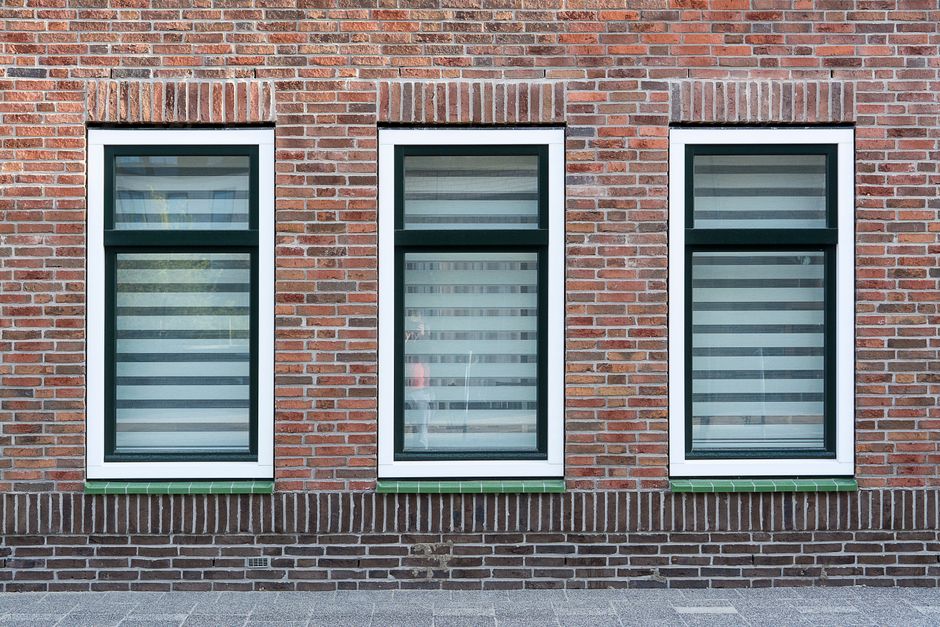
A solid wood window looks the best from inside and is the most repairable. Sash can be rebuilt, glass replaced, and a rotted sill spliced. It needs paint or stain on a regular cycle, and the south and west faces take the worst of the sun. On a protected porch or a covered elevation a wood window can last decades. In open exposure it needs more care.
What clad does
A clad window keeps the wood core and wraps the outside in aluminum or another baked finish. The cladding sheds water and sun, so the exterior stays put, and the wood inside can be stained or painted to match the rest of the room. Check how the clad is joined at the corners and whether the sill has a slope that moves water away from the frame. A sealant joint between clad and wood can still leak after many years, so look at it during the first spring.
Choosing a style by view
Lakefront houses often want a big view, so a picture window with casements beside it is common, and a bay window or bow window can bring in extra light on a garden side. Large glass should use insulated glass with a low e coating and a low shgc, because direct sun off the water adds glare and heat. A double pane unit with argon fill and a warm edge spacer is the baseline.
Flashing, drainage and the sill
The frame matters less than the pan under it. A sloped sill pan and flashing tape lapped shingle fashion keep water out of the wall, and weep holes in the lower track let moisture drain. If the wall has had a leak before, check the sheathing and the framing around the opening before the new window goes in. A wood window set in a wet wall rots just as quickly as the old one did. Inspecting after the first heavy rain is the cheapest test there is.